
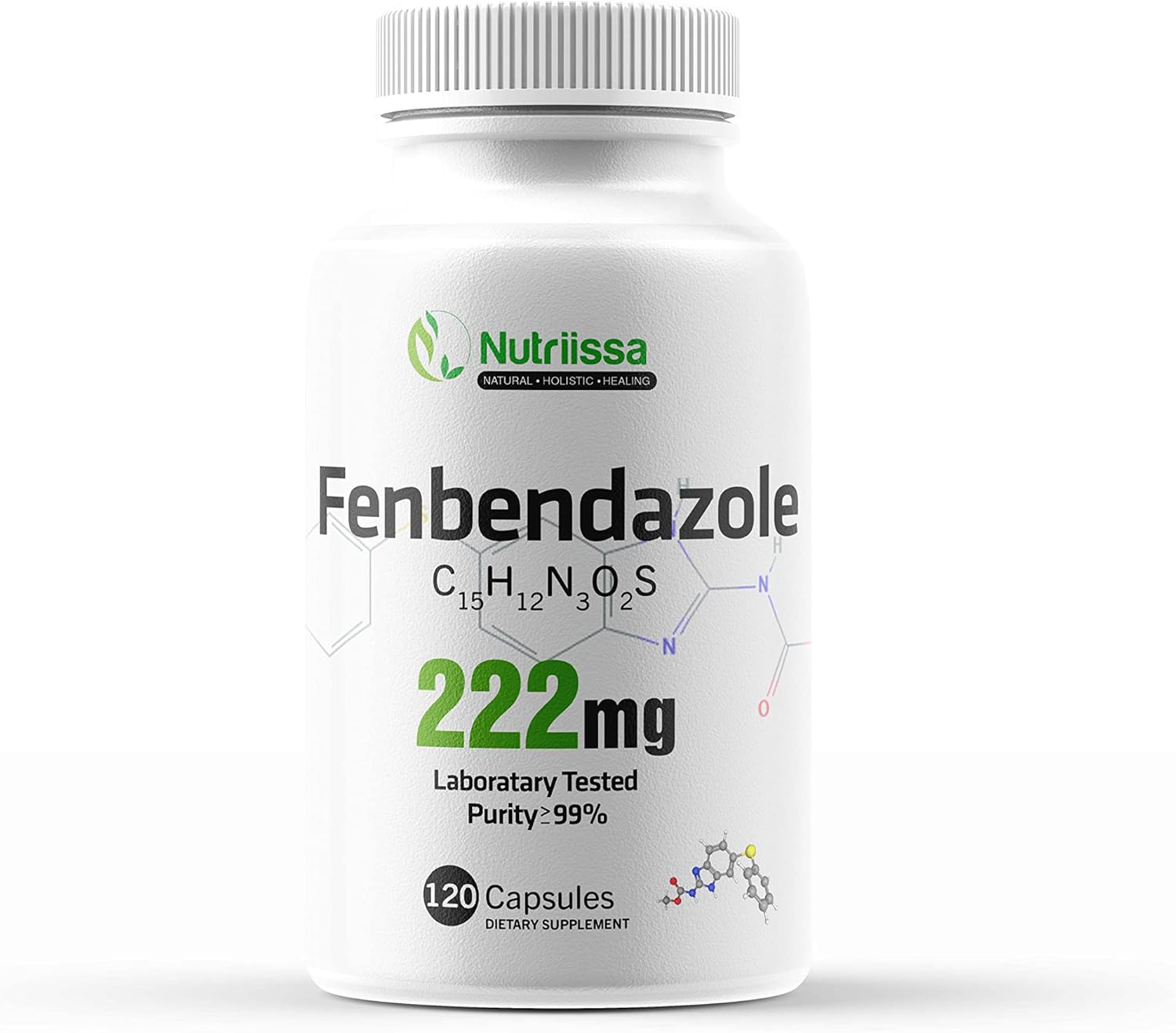
Description
Fenbendazole: A Comprehensive Guide to Its Uses, Safety, and Controversy
Meta Description: Curious about Fenbendazole? This in-depth guide covers its primary use as a dewormer for animals, its mechanism of action, safety profile, and the controversial claims about its use in human cancer. Separate fact from fiction.
Introduction
Fenbendazole is a name you might have encountered in a veterinary clinic, a farming supply store, or, more recently, in online health forums. It’s a medication with a well-established history and a surprising amount of modern controversy. But what exactly is Fenbendazole? Is it just a simple dog dewormer, or is there more to the story?
This article provides a comprehensive, evidence-based look at Fenbendazole—its approved uses, how it works, its safety, and the important facts you need to know about its alleged off-label applications.
What is Fenbendazole?
Fenbendazole is a broad-spectrum benzimidazole anthelmintic. In simpler terms, it is a medication used to treat a wide variety of parasitic worm infections in animals. It is FDA-approved for use in a multitude of species, including:
-
Dogs and Cats: For parasites like roundworms, hookworms, whipworms, and certain tapeworms.
-
Livestock: Including cattle, horses, pigs, and sheep.
-
Other Animals: Such as birds, rabbits, and reptiles.
It is commonly sold under brand names like Panacur®, Safe-Guard®, and Fish Bendazole. It’s available in various forms, including paste, granules, and liquid suspensions.
How Does Fenbendazole Work? The Mechanism of Action
Fenbendazole’s primary mode of action is targeted and effective against parasites:
-
Disruption of Cellular Structure: It binds to a protein called beta-tubulin, which is a critical component of the cellular microtubules in the worm’s cells. Microtubules act as a skeleton for the cell, essential for maintaining shape, nutrient transport, and cell division.
-
Energy Deprivation: By disrupting these microtubules, Fenbendazole impairs the parasite’s ability to absorb glucose (sugar). Without this primary energy source, the worm’s metabolic processes fail.
-
Death and Expulsion: The parasite becomes immobilized, starves, and eventually dies. The dead worms are then passed out of the host’s body through the feces.
This mechanism is highly specific to the physiology of parasites and has a wide margin of safety in mammalian hosts like dogs, cows, and humans at the appropriate veterinary doses.
The Controversy: Fenbendazole and Cancer
In recent years, Fenbendazole has gained significant attention due to anecdotal claims and personal testimonials suggesting it can treat or even cure cancer in humans. This trend was largely sparked by the story of Joe Tippens, who claimed to have cured his terminal small-cell lung cancer by using a protocol that included Fenbendazole alongside other supplements like CBD oil and curcumin.
Examining the Evidence
It is crucial to understand the distinction between anecdotal reports and scientific evidence:
-
Anecdotal Reports: Individual success stories are powerful and can offer hope. However, they are not controlled scientific studies. Other variables, such as concurrent conventional treatments (like chemotherapy or immunotherapy that the individual may not have disclosed), the placebo effect, or spontaneous remission, could explain the outcome.
-
Preclinical (Lab and Animal) Studies: Some laboratory studies on cancer cells and in mice have shown that benzimidazole drugs, including Fenbendazole, can exhibit anti-cancer effects through mechanisms similar to its anti-parasitic action (e.g., disrupting microtubules in cancer cells) and by inhibiting glucose uptake in cancer cells (a phenomenon known as the Warburg effect). While intriguing, results from petri dishes and mouse models do not guarantee effectiveness or safety in humans.
-
Human Clinical Trials: As of now, there are no large-scale, randomized, placebo-controlled clinical trials that prove Fenbendazole is a safe or effective treatment for any type of cancer in humans. The U.S. Food and Drug Administration (FDA) and other major health bodies have not approved it for this use.
Important Note: Relying on unproven treatments like Fenbendazole instead of evidence-based oncology can be extremely dangerous and can delay proven, life-saving medical care.
Safety and Side Effects
In Animals:
Fenbendazole is widely regarded as very safe for its intended animal use. Side effects are rare but can occasionally include vomiting, diarrhea, or lethargy, typically if the animal is sensitive to the medication or given a high dose.
In Humans:
The safety profile of long-term, high-dose Fenbendazole use in humans is unknown. It is not formulated, dosed, or manufactured for human consumption. While the risk of acute toxicity is considered low based on its veterinary safety data, potential long-term risks to the human liver, digestive system, and bone marrow are not documented.
You should never self-medicate with a veterinary drug. Always consult a medical doctor for human health concerns.
Key Takeaways and FAQs
Is Fenbendazole safe for humans to take?
It is not approved for human use. Taking medication formulated for animals carries unknown risks due to differences in dosage, purity, and filler ingredients. It should only be taken by humans under the direct supervision of a physician as part of a formal clinical trial.
Can I give my pet Fenbendazole?
Yes, but only under the guidance of a veterinarian. They will prescribe the correct product and dosage based on your pet’s species, weight, and specific parasitic infection.
What is the “Joe Tippens Protocol”?
It is an informal regimen popularized online that involves taking Fenbendazole alongside vitamins and supplements. It is not a scientifically validated treatment for cancer.
Should I use Fenbendazole for cancer?
It is critical to make treatment decisions in partnership with a licensed oncologist. Do not abandon proven cancer treatments (chemotherapy, radiation, immunotherapy, surgery) for an unproven remedy. If you are interested in Fenbendazole, discuss it with your doctor, but do not use it as a substitute for standard care.
Conclusion
Fenbendazole is a safe and highly effective deworming agent for a wide range of animals when used as directed by a veterinarian. However, its promotion as a human cancer treatment resides in the realm of anecdote and preliminary research, not established medical science.
While the preliminary research is interesting and warrants further investigation through proper clinical channels, patients should approach these claims with caution and skepticism. The best course of action for any health concern, especially one as serious as cancer, is to rely on treatments that have been rigorously tested for safety and efficacy in humans. Always prioritize open communication with your healthcare team and make decisions based on evidence, not hope alone.
Reviews
There are no reviews yet.